
Ted Chubb Releases ‘Live at The Statuary’ on Circle 9 Records
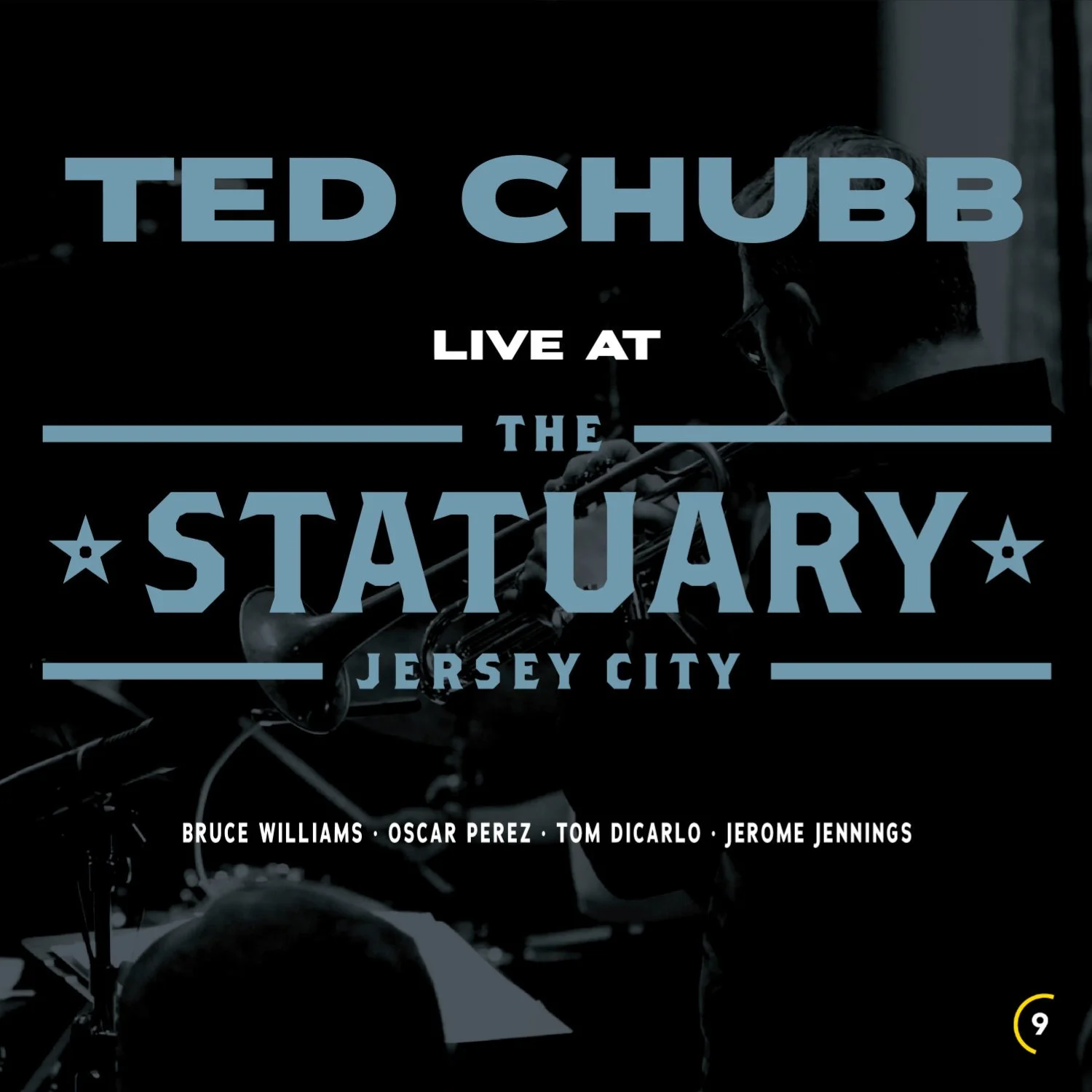
Ted Chubb releases ‘Live at The Statuary’ May 15, 2026 on Circle 9 Records
TRUMPETER, COMPOSER & ARTISTIC DIRECTOR TED CHUBB REVEALS LIVE AT THE STATUARY, A DOCUMENT TO JERSEY CITY’S VIBRANT ARTS COMMUNITY
FEATURING GREATS OF CONTEMPORARY JAZZ — ALTO SAXOPHONIST BRUCE WILLIAMS, PIANIST OSCAR PEREZ, BASSIST TOM DICARLO, AND DRUMMER JEROME JENNINGS
OUT MAY 15, 2026 VIA JERSEY CITY’S CIRCLE 9 RECORDS
The veteran drummer’s “little big band” reworks standards, Latin repertoire, and songs from outside the jazz canon, jazzing up rock tunes and making jazz tunes rock
Live at The Statuaryis the forthcoming album by trumpeter and composer Ted Chubb, recorded March 15–18, 2025 at The Statuary in Jersey City, and to be released May 15 by Circle 9 Records in digital, CD, and vinyl formats.
At the center of the recording is Chubb’s musical voice: a warm, distinct trumpet sound grounded in storytelling, capable of conveying melody with directness, vulnerability, and emotional clarity. His writing favors melodies that remain accessible and singable while still allowing space for forward-leaning harmony, open expression, and rhythmic momentum. He draws from the trumpet lineage of Booker Little, Art Farmer, Kenny Dorham, and Blue Mitchell, alongside the modern sensibility of Tom Harrell.
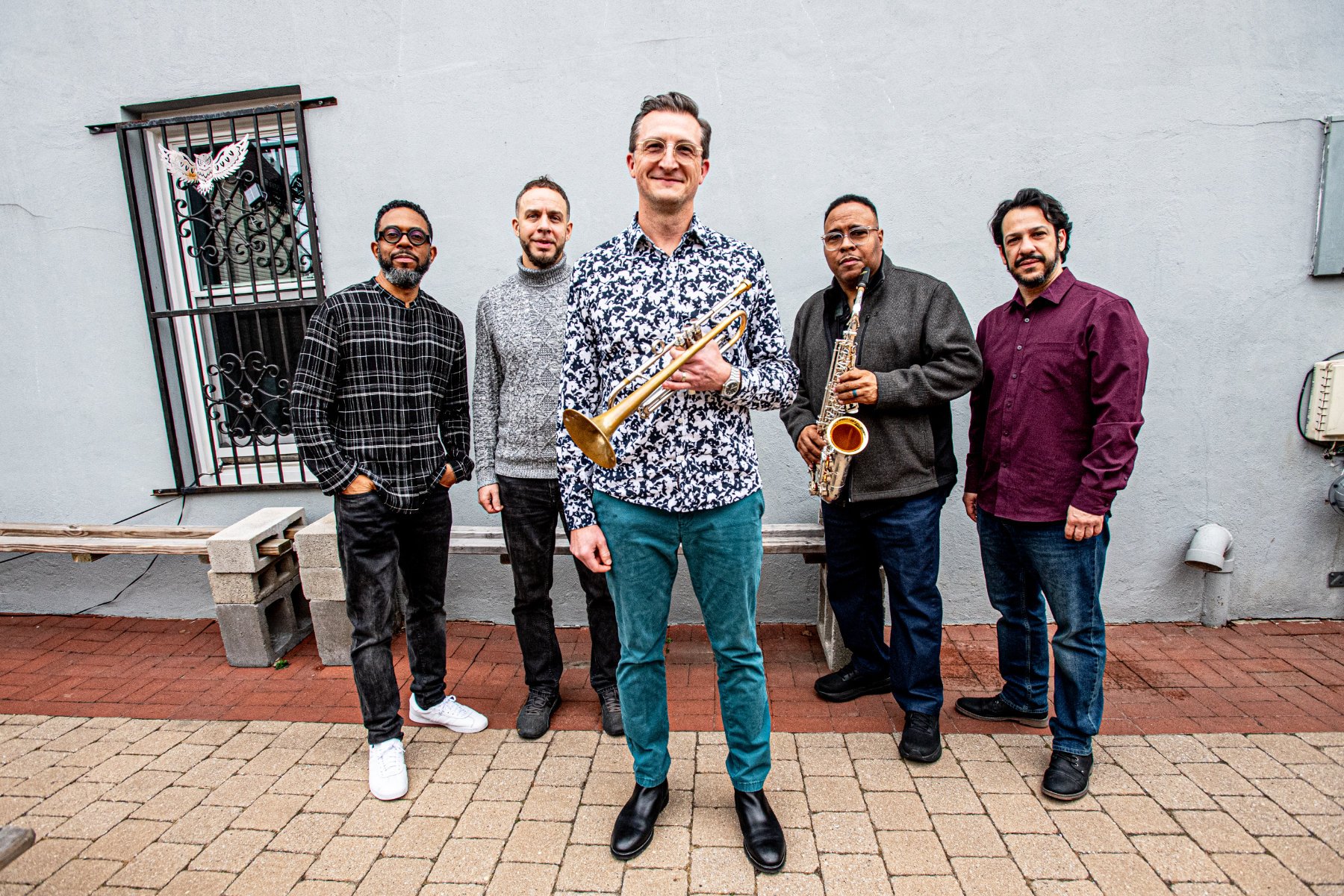
Chubb produced the album and leads a quintet with alto saxophonist Bruce Williams, pianist and Fender Rhodes player Oscar Perez, bassist Tom DiCarlo, and drummer Jerome Jennings.
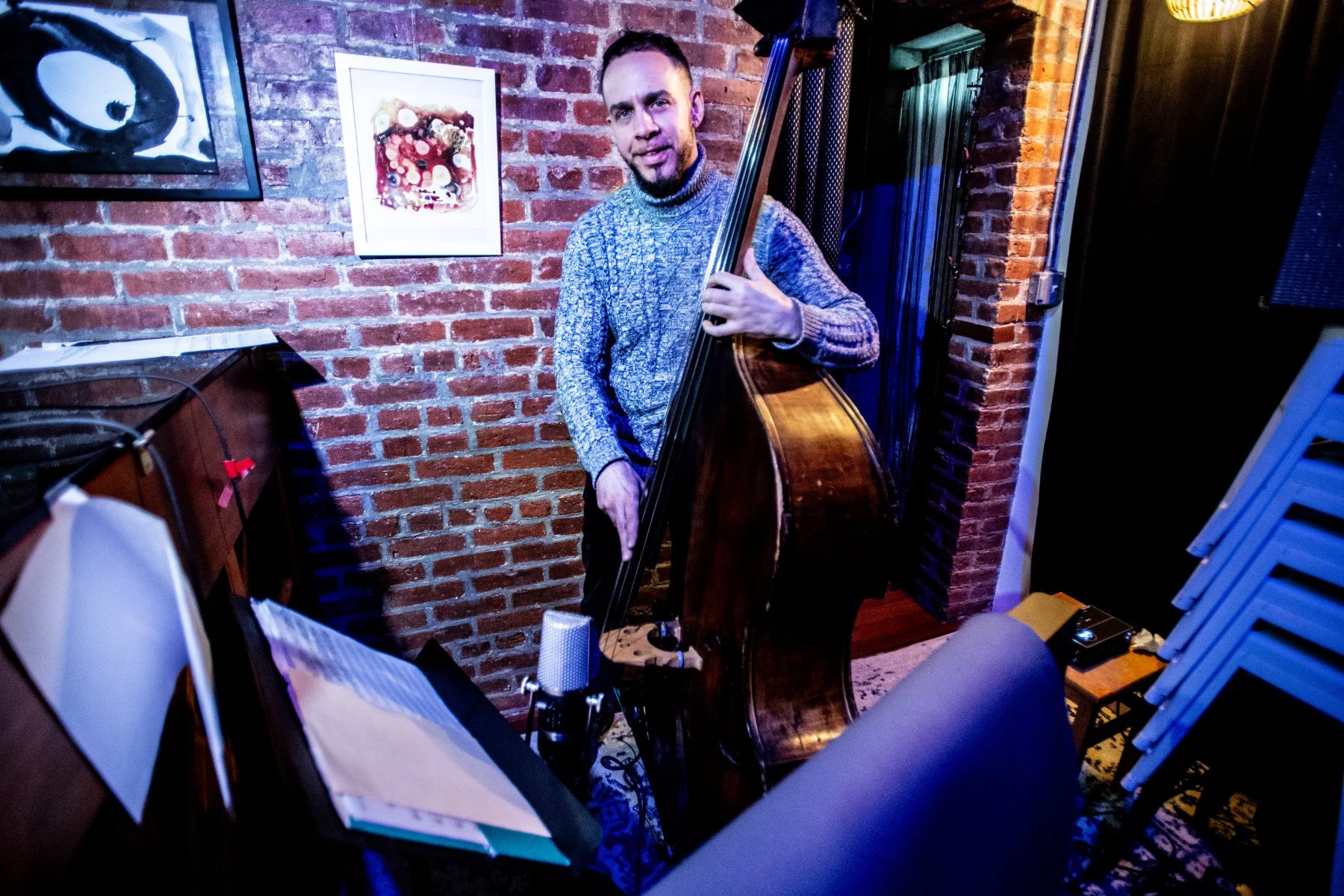
Engineers Todd Whitelock and Chris Gold captured nine live performances drawn from original compositions and the jazz repertoire, including a reimagination of John Lewis’s “Django” and Harold Arlen’s “Out of This World.” At The Statuary, audience members sit only a few feet from the musicians, creating a direct, shared listening experience inside the room and allowing the exchange between performers and listeners to become part of the music itself.
The building began in 1907 as the Jersey Statuary Company, the working studio of sculptor and painter Gino DeSanctis. In 2007, musician Walter Parks and producer Margo Parks transformed it into a live-work-present arts space devoted to artistic expression, diversity, and inclusion. A completely brick structure shaped by decades of industrial use, the space retains traces of its past — including fragments of statuary uncovered during renovation — that contribute to both its striking visual character and its resonant acoustic presence.s
Chubb and his wife, Rachel Ryll, purchased the property in 2020, completed renovations the following year, and reopened concerts to the public in 2021. Since then, the venue has presented more than fifty concerts and community events featuring NEA Jazz Masters, Guggenheim Fellows, and nationally and internationally active musicians from Jersey City and the greater New York area. Performances operate on a suggested-donation model designed to remove financial barriers and welcome neighbors, first-time listeners, and dedicated jazz audiences into the same room.
Chubb’s commitment to community was shaped by fourteen years of leadership at Jazz House Kids, where he connected students, families, and visiting artists while helping build educational programming, festivals, workshops, and concerts. “It wasn’t enough to train the next generation,” he says. “We also needed to develop audiences. I don’t think it’s enough to just play this music. We have to create opportunities for other people to get involved, because this music can change people’s lives.”
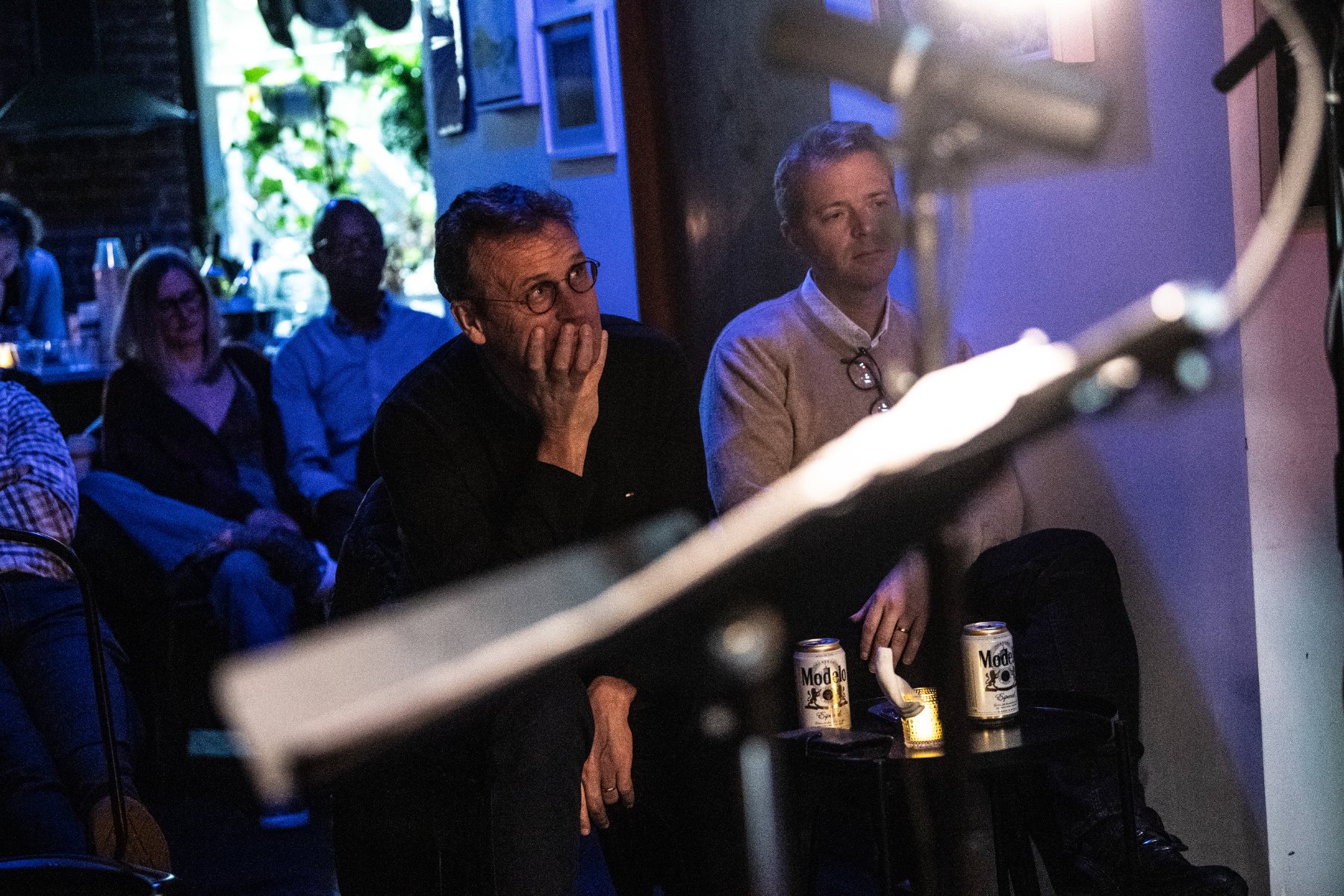
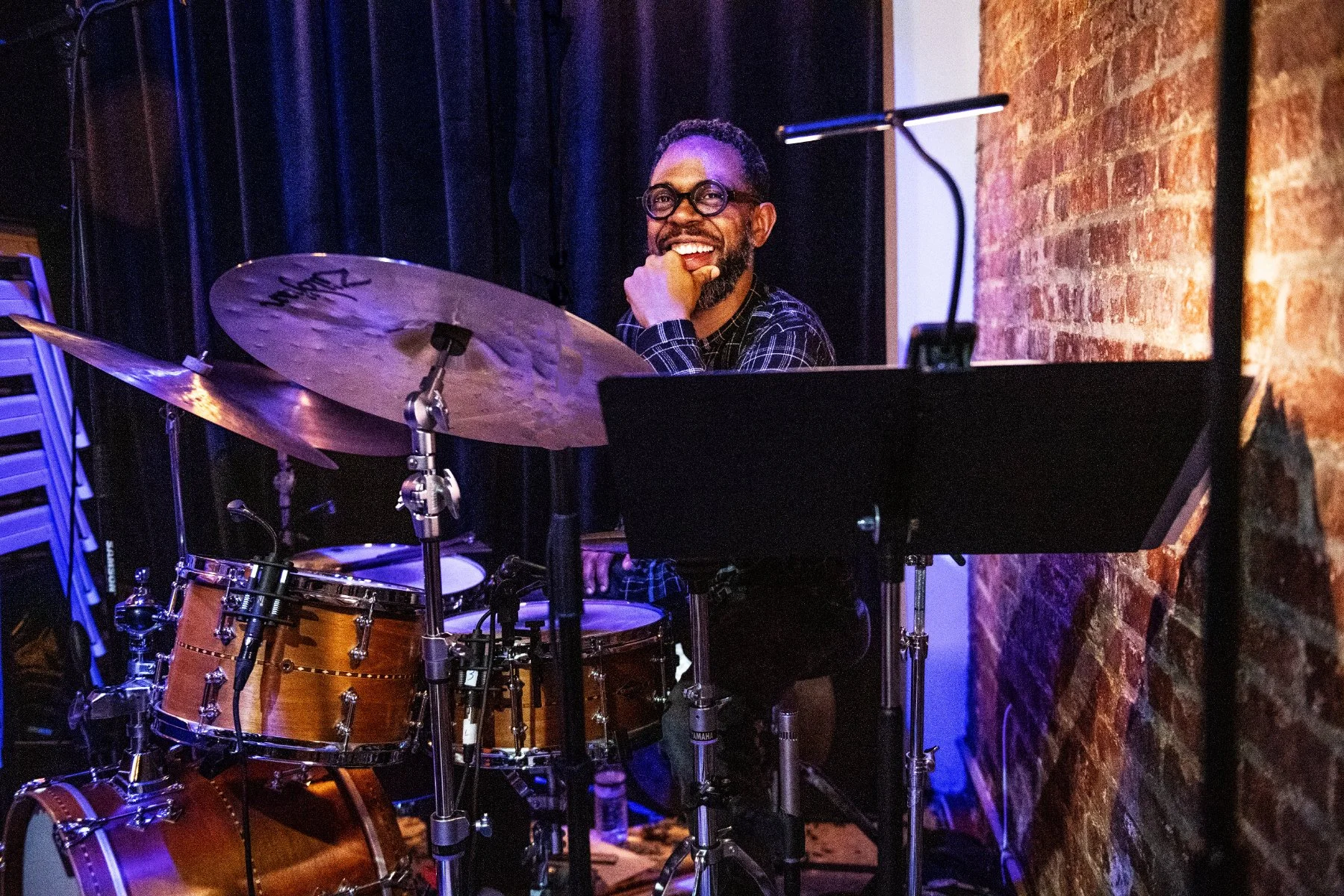
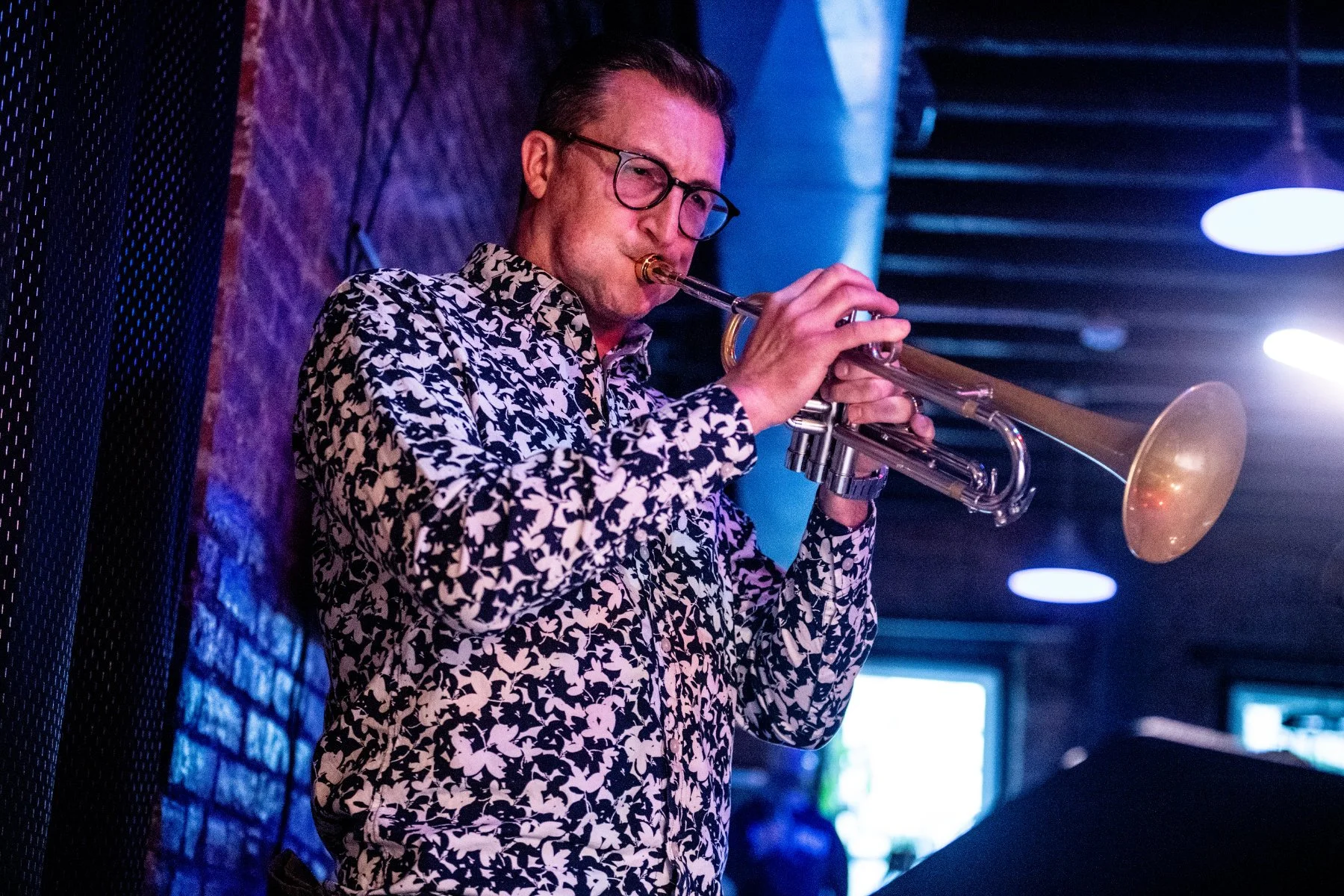
That philosophy now defines The Statuary. “If you’ve never even heard jazz before, why are you going to go all the way into the city and spend a bunch of money on a ticket?” Chubb asks. “We’re bringing world-class artists right to them. This place and this music is for everyone.”
Born in Ashtabula, Ohio, Chubb began performing professionally while studying at Ohio State University in the late 1990s. He moved to New Jersey in 2003 to study with trumpet pedagogue William B. Fielder, whose lineage traces to Booker Little and the Chicago trumpet tradition.
His previous album, 2017’s Gratified, Never Satisfied, honored Fielder’s philosophy of lifelong artistic striving. Many of the compositions on Live at The Statuary were written while Chubb lived in Switzerland from 2015 to 2018, a period of constant movement, reflection, and discovery that ultimately led him back to recording. “I needed to record and put my music first,” he says.
The quintet featured on Live at the Statuary reflects decades of shared history. Chubb calls Bruce Williams “one of the premier alto saxophonists on the planet,” noting that Williams mentored him, brought him into the New York scene, and “is going to bring it every single time.” Of pianist Oscar Perez, a collaborator since 2008, he praises both “incredible musicianship” and a deeply positive presence in the music. Bassist Tom DiCarlo “has an amazing attention to detail,” he says, adding simply, “He always puts the music first.” Drummer Jerome Jennings represents the longest bond of all: the two met as teenagers in Ohio, and more than twenty-five years later, Chubb still finds it “incredible that our lives are intertwined.”
Each composition on Live at The Statuary grows from a specific moment in Chubb’s life.
“SBB Bounce” emerged during the years he spent traveling across Switzerland, riding trains from city to city, meeting musicians, and watching unfamiliar landscapes gradually become temporary homes. The long hours in motion were, as he recalls, “deeply reflective and often quite fun,” grounded in movement, discovery, and simple joy.
“Uptick,” dedicated to his father, returns to childhood memories of sailing together on Lake Erie and to a renewed connection with sailing during the pandemic. Navigating shifting wind, water, and weather requires both knowledge and instinct — an experience he describes as “remarkably similar to jazz,” where improvisation ultimately depends on trusting the moment.
“Little Flower Girl” grew from a brief encounter with a young girl selling flowers on a street in Mumbai. When their eyes met, he saw the same innocence he recognizes in his nephews. The moment revealed, in his words, “beauty and joy and chaos and hardship all at the same time,” leaving an emotional imprint that shaped the music.
Harold Arlen’s “Out of This World” became a reflection of the early pandemic, when uncertainty led many to question the direction of society and long for safety and love beyond immediate reality. Chubb hears the performance as bearing “both the hope and the melancholy” of that shared moment.
“Expat” reflects the disorientation of living inside another culture, where ordinary tasks become difficult and social interactions unsettled, yet the experience ultimately deepens empathy and expands one’s sense of common humanity.
“Refugee Hymn” turns toward forced displacement, written for people fleeing war, famine, crime, and poverty. Chubb speaks plainly of being “deeply troubled by the treatment of our fellow humans,” contrasting their reality with the privilege many Americans take for granted.
“1919,” dedicated to his grandparents Donald and Caroline Jacobus, honors a lifelong partnership that sustained his path in music. Born a month apart, they lived nearly ninety years, died within a year of one another, and remained married for more than six decades — an enduring example of belief and support.
John Lewis’s “Django” has long drawn Chubb to its mournful lyricism and classical clarity. He regards it as “a brilliant composition” that never fully received its rightful place in the jazz canon, offered here in an impassioned interpretation.
The album closes with Bruce Williams’s “Empty Hearts,” inspired by an ancient Sufi teaching that asks listeners to extend the same compassion toward human beings that they so often show to animals, and to open the heart without distinction.
Underlying the recording is Chubb’s belief in place and community. “I really believe in this neighborhood,” he says of Jersey City, where decades of relationships shape both his life and his music.
For Chubb, the album gathers performance, education, travel, family, and community into a single shared statement while introducing The Statuary to a wider audience. When the time came to release it, the decision felt inevitable: “You go with the people who know your mission, who know your music, and who are working toward the same goal. There’s really no decision to make. You just go with Circle 9 Records.”
CD Tracklist
1 SBB Bounce - Ted Chubb (TCMUSIC /ASCAP ) 06:28
2 Uptick*- Ted Chubb (TCMUSIC /ASCAP ) 05:11
3 Little Flower Girl - Ted Chubb (TCMUSIC /ASCAP ) 07:58
4 Out Of This World - Harold Arlen & Johnny Mercer (Kobalt Music) 06:55
5 Expat* - Ted Chubb (TCMUSIC /ASCAP ) 06:14
6 Refugee Hymn* - Ted Chubb (TCMUSIC /ASCAP ) 05:55
7 1919 - Ted Chubb (TCMUSIC /ASCAP ) 05:29
8 Django - John Lewis (Hal Leonard Corp) 07:17
9 Empty Hearts - Bruce Williams (Brushwood Music/SESAC) 06:22
*Exclusive Video links available for these selections via your ‘Live at The Statuary’ LP or CD physical purchase
